NASA JPL tested a lithium-fed magnetoplasmadynamic thruster at up to 120 kilowatts, a step toward megawatt-class nuclear electric propulsion systems for human Mars missions.
Overview
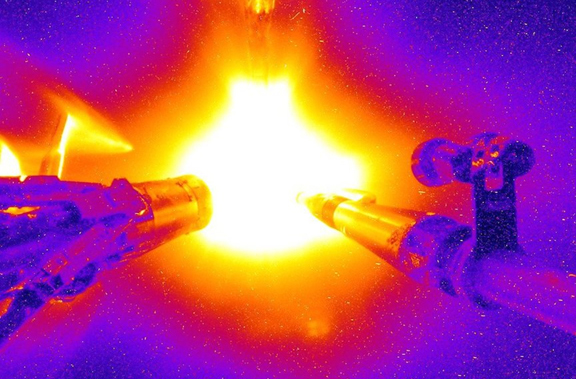
NASA JPL tested a lithium-fed magnetoplasmadynamic thruster in February 2026 and announced the result in April. The prototype reached up to 120 kilowatts, exceeding the power level of electric thrusters currently flying on NASA spacecraft.
The engine uses high currents and magnetic fields to accelerate lithium plasma. Electric propulsion produces low thrust compared with chemical rockets, but it can use far less propellant and accelerate continuously over long periods.
JPL says future tests aim toward 500 kilowatts to 1 megawatt per thruster. A human Mars mission could need multiple thrusters and 2 to 4 megawatts of power, which is why the work connects directly to NASA's nuclear electric propulsion program.
The hard part is endurance. Components have to survive extreme heat and operate for tens of thousands of hours. Still, this test is a concrete hardware step toward faster, lighter, high-power deep-space transportation.
Why It Matters
- JPL fired a lithium-fed MPD thruster at up to 120 kW during February 2026 testing.
- The design accelerates lithium plasma using electromagnetic forces.
- Nuclear electric propulsion could provide megawatt-class power for future Mars transport.
- The next engineering challenge is scaling power while proving long-duration thermal durability.