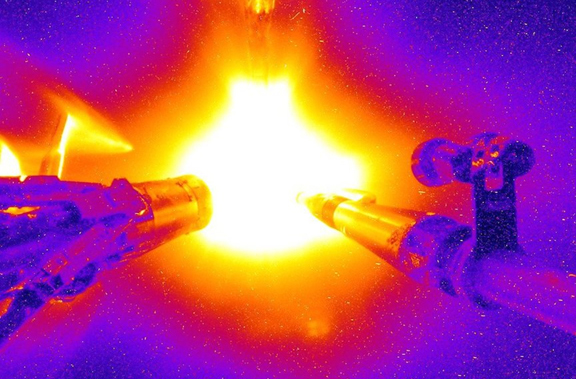
Researchers on China's EAST tokamak reported access to a density-free plasma regime, challenging a long-standing density barrier in magnetic confinement fusion.

Overview
The EAST team reported a way to push tokamak plasma density beyond a long-standing empirical barrier while keeping the plasma stable. The work was published in Science Advances in January 2026.
Fusion power scales strongly with plasma density, so density limits are not just an abstract physics constraint. They directly affect how much power a tokamak can produce before instabilities, impurity buildup, or confinement losses end the discharge.
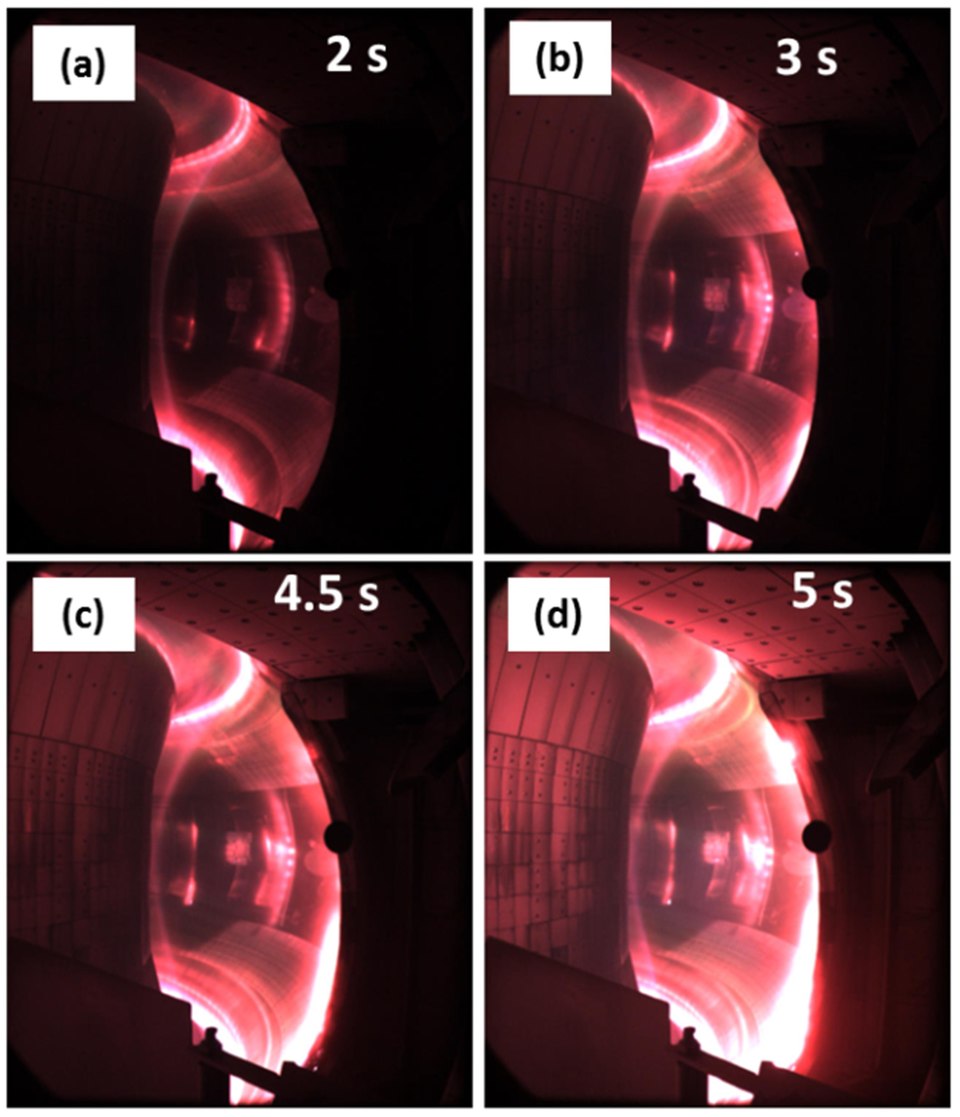
The experiment used electron cyclotron resonance heating during ohmic start-up to shape plasma-wall interactions from the beginning of the discharge. That helped EAST enter a plasma-wall self-organization regime where density could rise beyond traditional limits.
This is not a commercial reactor yet, but it is a meaningful operating-regime result: it suggests future tokamaks may have a practical route around one of the classic obstacles between high-performance plasma physics and useful fusion energy.
Why It Matters
- The result experimentally supports a plasma-wall self-organization pathway to a density-free regime.
- EAST kept plasma stable at densities beyond long-used empirical tokamak limits.
- Higher stable density matters because fusion power increases sharply as plasma density rises.
- The next challenge is extending this approach into high-confinement, high-performance operating modes.